
Research has not shown that clinical hypnotherapy changes the brain in a lasting way.
What exists is a small set of imaging studies. In them, brain activity changed alongside symptom improvement. Similar changes appeared after other treatments. Neural plasticity is a real and well-studied property of the nervous system. Linking it to hypnotherapy is still at an early stage.
When a headline says a therapy rewired the brain, what would you want to see first?
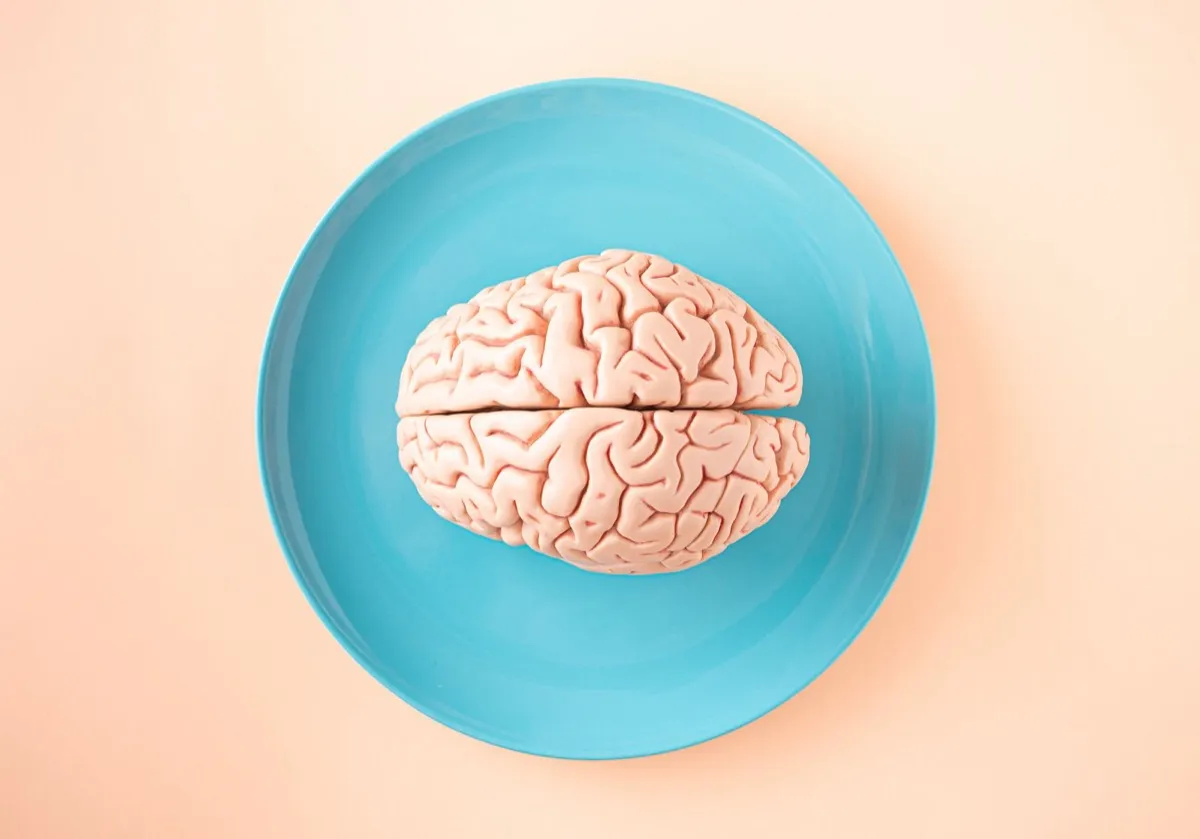
What Neural Plasticity Means and What Counts as Evidence
Neuroplasticity is the ability of the nervous system to respond to intrinsic or extrinsic stimuli by reorganising its structure, function and connections. That is the definition used by Cramer and colleagues in a 2011 review of clinical applications published in Brain. The review also notes that major advances in understanding plasticity have so far yielded few established interventions.
The same review lists common themes across conditions. Plasticity depends on experience, is sensitive to time, and depends on motivation and attention. A reasonable design for crediting a treatment with plastic change would scan people before and after. It would compare them with a control group. It would link the brain change to a change in symptoms. That is this guide’s reasoning, not a quoted standard.
Barsaglini and colleagues’ 2014 review of longitudinal psychotherapy imaging studies shows what such evidence looks like for talking therapies. Depending on the disorder, psychotherapy produced either a normalisation of abnormal activity, recruitment of extra areas, or both. The authors describe the link between brain change and treatment outcome as preliminary.
Brain State Versus Brain Change
Most hypnosis imaging research measures the brain during hypnosis, which tells researchers about a state and says little about lasting change. A 2022 systematic review by Wolf and colleagues identified 10,404 articles and included 40 studies using different imaging techniques. Despite broad heterogeneity, it reported functional changes in brain activity using hypnosis, including less activity in the insula and anterior cingulate cortex during hypnosis.
Halsband and Wolf’s dental phobia study illustrates the design. Twelve people with dental phobia and twelve healthy controls were scanned while viewing phobic stimuli. Activation in the amygdala, anterior cingulate cortex, insula and hippocampus was lower during hypnosis in the phobic group. Reduced activity was also found in the control group. The scans were taken during a brief hypnotic intervention. They describe a state under hypnosis. They do not show a lasting change.
A reduction in activity while hypnotised is a finding about hypnosis. Plasticity requires evidence that a change persists after the session, which is a separate design.
A photograph is not a film.
The Studies That Scanned Before and After Treatment
Two treatment-trial imaging studies of hypnotherapy were located for this guide, and they compared brain activity before and after treatment. In both, the brain changes accompanied symptom improvement. The table sets out each design and its limits. The changes were not unique to hypnotherapy, and the samples were small.
| Study | Design | Brain finding | Limits |
|---|---|---|---|
| Lowén and colleagues, 2013, irritable bowel syndrome | 44 women with moderate-to-severe IBS and 20 healthy controls; 25 assigned to hypnotherapy and 16 to an educational intervention; 31 completed treatment and the second scan | Treatment responders showed reduced response to rectal distension in the anterior insula, and hypnotherapy responders also in the posterior insula; afterwards the response resembled healthy controls | Education also reduced symptoms and changed brain response, in a different region. Some clusters were at the edge of significance (P = 0.05) |
| Ketai and colleagues, 2021, urgency urinary incontinence | Subsample of a randomised trial of hypnotherapy against pharmacotherapy; scans before treatment and 8 to 12 weeks after it started; 64 women in the task analysis (30 hypnotherapy, 34 pharmacotherapy) | Reduced left temporoparietal junction activation in the two groups combined; stronger connectivity between the anterior cingulate and left dorsolateral prefrontal cortex in the hypnotherapy group at partial bladder fill (n = 54) | Both treatments improved symptoms. Regions were chosen from earlier work, and the follow-up scan was within about three months |
Lowén’s authors concluded that symptom improvement in the treatment groups may be mediated by different brain mechanisms. They also concluded that abnormal processing of visceral signals in IBS can be normalised by psychological interventions. Ketai’s authors suggest the hypnotherapy effect may be mediated by the counterbalancing effects of the dorsal, top-down attentional network.
These findings fit the idea of treatment-related change. They stop short of showing that hypnosis caused it. The comparison groups changed too. The samples are small. Ketai’s follow-up scan came 8 to 12 weeks after treatment began, and the abstract of Lowén’s trial reports no later scan. Both concern bodily symptoms. Neither concerns the emotional patterns people often bring to hypnotherapy.
Brain Changes Have Been Reported After Other Treatments Too
Imaging changes after treatment have been reported for several effective therapies. Finding one after hypnotherapy is not surprising. It does not identify a mechanism specific to hypnosis. Linden’s 2006 review in Molecular Psychiatry found that cognitive behavioural therapy for obsessive-compulsive disorder consistently decreased metabolism in the right caudate nucleus. CBT for phobia decreased activity in limbic and paralimbic areas.
Linden also reported similar effects after successful treatment with serotonin reuptake inhibitor medication in both conditions. The review noted that findings in depression were too heterogeneous for an integrated account. Barsaglini and colleagues found effects of psychotherapy on brain function comparable to those of medication for some disorders and not others.
Applied to this topic, the reasoning is that a brain scan after hypnotherapy shows that something changed along with symptoms. It cannot show that hypnosis changed the brain in a way another treatment could not. That reading is this article’s inference from the reviews. It is not a finding of either one.
What Most People Get Wrong About Hypnosis and Brain Change
Brain-change language sounds more certain than the studies allow. Several common claims stretch the evidence beyond what the imaging work can support. These five are the ones most worth checking against the studies above. Each sounds plausible, and each goes further than the sources do. A reader meeting any of them elsewhere can test it here.
- A scan during hypnosis shows rewiring. Scans during hypnosis show a state, and the systematic review above found lower insula and cingulate activity while people were hypnotised.
- Brain change proves the treatment worked. In Lowén’s trial an educational intervention also reduced symptoms and changed brain response, so a change in the scan does not single out hypnotherapy.
- Plasticity means permanent. Cramer’s review stresses that plasticity depends on experience and time, and neither treatment study cited here reports long-term scans.
- Epigenetic change is established. A 2021 brief review by Császár and colleagues describes indications that hypnosis can induce changes in neuroplasticity possibly involving epigenetic mechanisms. Its abstract identifies no trial that measured them.
- Plasticity evidence for emotional patterns exists. The two treatment studies concern bladder and bowel symptoms. The sources opened for this guide contain no scan study of hypnotherapy for a repeating emotional pattern.
How the Practice Relates to This Evidence
At the Houghton Estate practice in Johannesburg, Dr Safeera Kholvadia, a medical doctor, offers clinical hypnotherapy within the ARC Method framework. The initial consultation lasts 60 to 90 minutes. The practice’s page describes the work as updating the decisions behind a pattern. It cites no imaging evidence. This article makes no claim that the practice’s methods change the brain.
The article on hypnotherapy and talk therapy sets out the evidence for hypnotherapy by condition. The article on why insight alone does not change patterns covers why understanding a pattern does not always change it. The practice’s work is complementary to medical and psychological care and does not replace it.
Frequently Asked Questions
Does clinical hypnotherapy change the brain?
Brain activity changes during hypnosis and alongside symptom improvement after hypnotherapy, though lasting structural or functional change has not been shown. Two treatment-trial imaging studies, in irritable bowel syndrome and urgency incontinence, found brain changes with improvement, and other treatments produced changes too.
What is neural plasticity?
Neural plasticity is the ability of the nervous system to respond to intrinsic or extrinsic stimuli by reorganising its structure, function and connections. Cramer and colleagues used this definition in a 2011 review in Brain, which noted that experience, timing, motivation and attention shape plasticity, and that few interventions have been established.
Is there brain imaging evidence for hypnotherapy?
Some imaging evidence exists, and it is limited. A 2022 systematic review of 40 studies reported functional changes in brain activity during hypnosis, with lower insula and anterior cingulate activity. Two treatment-trial studies located for this guide scanned patients before and after hypnotherapy, with small samples and comparison groups that also changed.
Will hypnotherapy permanently change my brain?
Research has not shown permanent brain change from hypnotherapy. In the Ketai study the second scan came 8 to 12 weeks after treatment began, and the sources reviewed report no long-term scans. Expecting a fixed outcome is unwise, and a doctor or registered mental health professional can discuss realistic aims.
Does hypnotherapy cause epigenetic changes?
Epigenetic change from hypnotherapy has not been established. A 2021 brief review by Császár and colleagues described indications that hypnosis can induce changes in neuroplasticity possibly involving epigenetic mechanisms, and its abstract identifies no trial that measured them. The claim remains a hypothesis for future research.
Disclaimer. General health information, not medical advice. Hypnotherapy is a complementary approach and does not replace medical or psychological care. If symptoms persist or affect daily life, see a doctor or a registered mental health professional.